


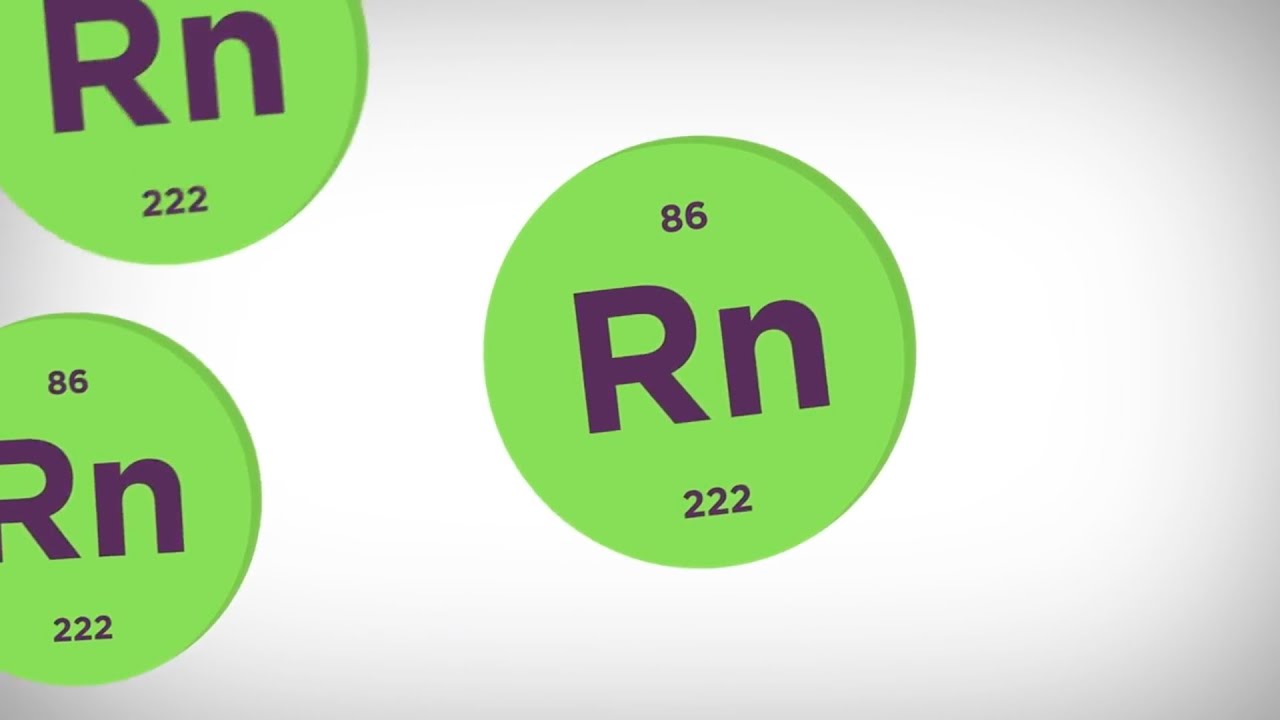
What is Radon?
Radon has a relatively short half-life, half the radon that is present will decay in a bit less than 4 days. Radon measurements will vary by various factors, but what we can establish is that high concentrations of radon can cause health risks. So how do we mitigate our current situation?, first if you do not already have a monitor, testing for radon is a good starting point. If you have a monitor and the levels are reading high ( 200 Bq/m3 ) over the last 90 days, mitigation might be an option. Elevated numbers can be a cause for concern, but investigating why is a good to know. Have you had any renovations done recently?, Is it the first winter since you started monitoring?, or is the monitor functioning the way it was intended? Start simple first, having your monitor tested before spending money on mitigation services. The goal is to minimize radon levels, but we want to make certain that levels are accurate as possible before taking action. Mitigation systems can become costly, so start simple.
Is Radon Dangerous?
Exposure to high levels of radon can have potential health risks when breathed in. The radioactive particles can get trapped in your lungs. Long term exposure to high concentrations of radon can cause health concerns. This is because often there is no immediate symptoms. It is important to know the potential risks associated with long term exposure. Radon is the number 1 leading cause of Lung Cancer in non smokers. Breathing in radon particles is harmful to the lungs as these particles get trapped and it may take years before there are signs of any health problems. The Environmental Protection Agency estimates that radon causes 21,000 lung cancer deaths each year. Possible side effects can include shortness of breath, worsening cough, or hoarseness in the throat. Radon can accumulate and the concentration levels become higher than what is accepted as " safe". No level of radon is actually safe, and you can never get levels to absolute zero, but what we can do is monitor radon so we know the levels we are being exposed to. 1 in 15 homes in Canada have high levels of radon. No matter the age of your home, type of construction, or where your home is located. You are exposed to some level of radon, lets work together to reduce radon exposure Have your home tested, its the only way to know! Radon levels should not be greater than 200 Bq/m3. Testing is simple and not expensive It is effective and can save lives.
Where is Radon Found?
Radon will get into areas undetected, it is an ubiquitous element found in rock and soil, and can be found everywhere. Gas that contains radon can enter the homes at any potential opening where the house contacts the soil. The difference in air pressure draws the radon gas into the house. Typical entry routes are concrete foundations, support posts, or utility penetrations, all areas that radon can gain access in. Radon has been a silent killer for many years and is gaining popularity not in a positive way. It is the second leading cause of lung cancer in non smokers. 1 in 15 homes in Canada is exposed to dangerous levels of radon. Radon testing is the only way to know what level of radon you are being exposed to. How it Enters Your Home Gas containing radon can enter homes at any potential opening where the house contacts the soil. The difference in air pressure draws the radon gas into the house. Typical entry routes, such as, concrete foundations, support posts, or utility penetrations are all areas where radon is gaining access in. Radon can also be found in ground water from wells or can dissolve and accumulate in water sources underground. It then can be agitated during our daily activities, such as, washing or cooking, and then be released into the air. Even materials inside our homes can contain levels of radon, granite is a common source. All Homes have some level of radon, the amount found in homes will vary. Soil characteristics, construction types of homes, foundation conditions, occupants lifestyles, and even weather all play a role in the concentration of radon. Measuring the level in your home is only the way to be certain what levels you are being exposed to.
Why Should I Test?
Testing is the only way to know what level of radon you are being exposed to. Radon is everywhere and it is naturally occuring so we are constantly being exposed to it. Following the radon action guides that are set out by our Canadian Government and programs like CARST ( Canadian Association of Radon Strategies and Technologies ) We are advanced in knowledge when it comes to radon protection. We partner with agencies that specialize in radon science, so we know that the information we forward to our clients is up to date and valid. Radon facts and technologies are always evolving so we need to make sure we keep on top of these changes. This ensures us that we providing the level of service that we set out to accomplish. Something that can not be ignored is radon. Radon can have serious health effects when exposed to high concentrations of radon for long periods of time. Short term testing is a good way to find out a baseline of the level of radon in your home, however, Long term testing is a better alternative to give you peace of mind 24/7. All homes have it, so the only way to know if you are being exposed to high or dangerous levels of radon is to test! We are here to help you understand radon and learn ways to reduce it. Lets Reduce Radon Together.
When Should I Test?
Radon levels will always fluctuate, and we now know there are many factors involved when it come to the level of radon we are being exposed to day to day. This is why long term testing is the best option to track the radon levels. It truly does give us the " Big Picture" on what is happening in a space. Testing levels of radon in the home at anytime is good. However, the radon levels will vary day to day and hour to hour. This type of flucuation is normal and expected. Because we are recording radon concentration levels in a home there are some things to keep in mind when it comes to testing. The basement is generally a good place to set up a monitor because it is typically an area most likely to have higher radon results. This is because it is the closest to the rock and soil, and the area that radon is entering the home. But that does not mean that the radon levels throughout the home can not be high as well. This is why having a multi unit radon monitoring system is a good option. Placing a monitor in the area where we spend most of our time has benefits as well.
How to Reduce Radon?
Increasing air flow is one option to reduce radon concentrations, however, it will not remove the radon from the home. Air filteration systems also do not remove all of the radon particles, even a high effciency HEPA filter. They are only reducing progeny, ( short-lived radioactive decay products). There can be multiple solutions to help reduce radon levels and the radon concentration levels. Measurements will vary by various factors and can change and fluctuate. Reducing how radon is entering a home is best. "Radon Mitigation" is not a cookie cutter approach. There are steps that can be taken and are unique to each home and persons lifestyle. becasue radon is a natural occurring radioactive gas, and It is released from the decay of uranium which can be found in rock and soil. Radon can enter homes many ways. Understanding what Radon is and where it comes from is important in spreading the awareness. Radon is everywhere and it is impossible to completely eliminate it. The Canadian Public Health Association is committed to raising awareness of the " Silent Threat" of Radon. Diluted concentrations of Radon is not as concerning as when levels are high. Over time they accumulate and can have a negative impact on our health. Radon compounds have a carcinogenic effect and the particles will emit ionising radiation energy into our cells. CARST ( Canadian Association of Radon Scientists and Technologists), their mission is to be the authoritative voice on radon information in Canada. They provide public resources and continue to research radon through collaborative opportunities.
Radon Exposure in General
The recommended level of radon exposure is a guideline that agencies like Health Canada has set as a regulatory measure. It can vary between provinces and territories. 200 Bq/m3 is the maximum level of radon we should be exposed to in our homes, and public buildings, ( hospitals, schools, long term care facilities), before mitigation. The Canada Labour code also has set that indoor air radon concentrations should be below 800 Bq/m3.

Interesting Facts on Radon
Radon may not have no significant purpose, but produced in small quantities for research purposes to influence and initiate chemical reactions. Radon has historically been used to treat ulcers, allergies, arthritis, and tumours, and is still used today in some European countries for pain relief of rheumatoid arthritis. On average a Canadian will inhale a yearly dose of radon's decay product of 1.0 mSv. There are 5 active uranium mines in Canada, all in Saskatchewan.

People who Care
Agencies that are specialist in radon and research and technologies are a body of knowledge. They work hard to develop new ways to target radon exposure and expose reduction policies and programs. We are all working together to reduce radon. This is a collaborated effort and requires our action.

Radon Resources
Understanding radon and providing accessible information is extremely important in the goal of reducing radon globally.




It is important to understand how it can affect our health. One way is to Stay informed and up to date on what's new and changing in the world of radon. We want to make sure the information we are passing on to our clients is accurate and relevant.
